We deliver data-driven studies, practical mitigation and integrated project strategies that help clients reduce risk and move from analysis to action.
Meghan Macias
meghan@epdsolutions.com
949-794-1186

EPD provides transportation planning and engineering services that help clients identify constraints early, respond to agency requirements, and keep projects moving. We prepare clear, defensible transportation studies for public agencies and private developers across industrial, retail, mixed-use, residential, and institutional projects.
Our value goes beyond technical analysis. By connecting transportation work to land use, environmental (CEQA/NEPA) review, and entitlement strategy, we help clients reduce risk, avoid surprises, improve agency coordination, and advance projects with a clearer path to approval.
EPD’s transportation team combines licensed Traffic Engineers, transportation planners, and modelers who specialize in delivering both high-level planning analyses and detailed operational studies.
Our work is tailored to the needs of each jurisdiction and fully aligned with CEQA Guidelines, NEPA Guidance & Requirements, SB 743 Requirements, Highway Capacity Manual (HCM 7th Edition) methods, and local transportation analysis guidelines.

Transportation Impact Studies
Vehicle Miles Traveled
(VMT) Analyses
Wildfire Evacuation Studies
Drive-Through &
Gate Queuing Analyses
Parking Studies
& Site Access Planning
Site Access & Circulation Studies
Transportation
Due Diligence Assessments
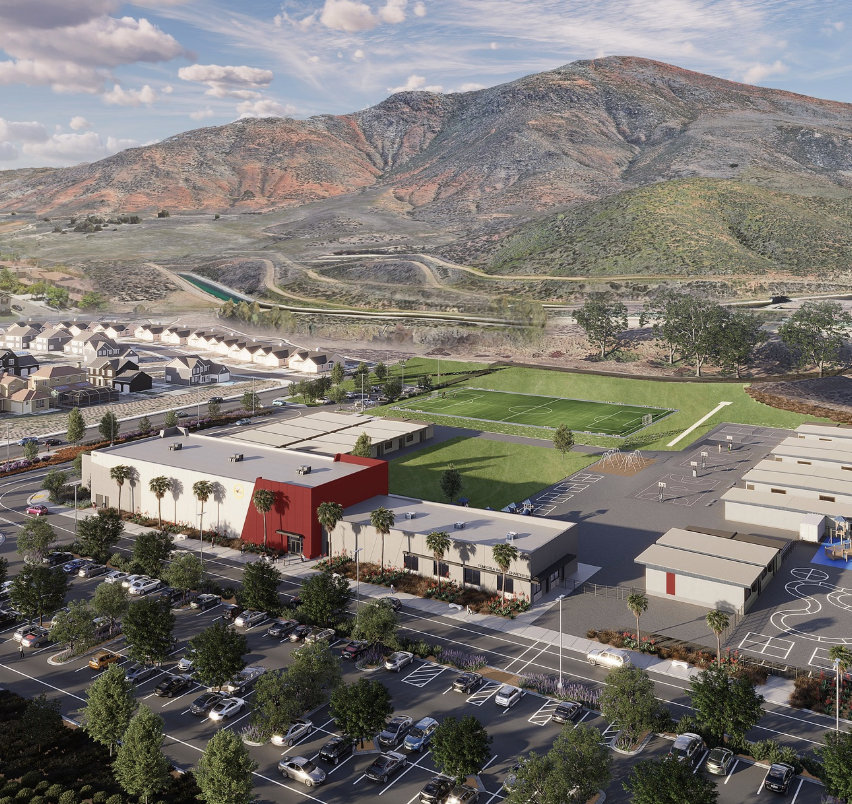
School Circulation Studies
Travel Demand Modeling
Traffic Operations Analyses
Truck Turning Templates
Roadway Safety Analysis
Roundabout Analysis
Signal Timing & Operations
Intersection Analysis & Design
Roadway
& Improvement Plans
Signing & Striping Plans
Traffic Control Plans
Traffic Signal Design
Intelligent Transportation
Systems (ITS) Plans
Sight Distance Analysis
Our commitment to innovation has led to the development of custom studies, proprietary datasets, and software tools that improve efficiency, accuracy, and value.
Proprietary Tools
Our internally developed, web-based Trip Gen Tool, compiles rates and vehicle trip splits from ITE, WRCOG/TUMF, and SCAQMD.
The tool streamlines trip generation analyses—especially for cumulative scenarios of 40+ projects—by ensuring correct application of rates, eliminating manual errors, and reducing turnaround times.
Mitigation by Design
EPD’s technical practice is built around the philosophy of “mitigation by design”—identifying potential impacts early, collaborating with project teams to integrate design features that reduce environmental effects, and proactively coordinating with agency staff to ensure that studies meet expectations before formal submittal.
Across all technical disciplines, EPD emphasizes alignment with adopted plans, consistency with local policies, and a balanced assessment of project-scale impacts and cumulative conditions.
Technology Design
Our staff are proficient in Vistro, Synchro, TransCAD, AutoCAD, SIDRA and ArcGIS, and routinely apply these tools to a wide range of project types, from residential, commercial and industrial developments to General Plan amendments and Specific Plans.
By integrating our understanding of entitlement procedures, CEQA/NEPA compliance, and development timelines, EPD offers more than just technical reporting; we offer forward-thinking solutions that support planning, engineering, and community engagement objectives.
EPD Solutions actively supports leading industry organizations. Our team participates at all levels, with multiple staff serving in leadership roles and helping shape policy, advance professional education, and drive best practices statewide.






Technical Transportation services include professional traffic engineering, transportation planning, and operational analysis that support development review, CEQA documentation, and City infrastructure projects.
Technical Transportation services include professional traffic engineering, transportation planning, and operational analysis that support development review, CEQA documentation, and City infrastructure projects.
These services involve Traffic Impact Analyses (TIA), Vehicle Miles Traveled (VMT) studies, peer review, signing and striping plans, site access analysis, and parking studies, all aligned with regulatory and local agency standards.
EPD’s Technical Transportation team specializes in delivering both high-level planning analyses and detailed operational traffic studies.
The team includes licensed Traffic Engineers, transportation planners, and modelers who provide defensible, data-driven analysis tailored to each jurisdiction.
Technical Transportation supports CEQA and SB 743 compliance by preparing:
Traffic Impact Analyses (TIA)
Vehicle Miles Traveled (VMT) screening and modeling
Significance determinations
Mitigation strategies consistent with Climate Action Plans
All analyses follow CEQA Guidelines, SB 743 requirements, Highway Capacity Manual (HCM 7th Edition) methodologies, and local transportation analysis standards.
Technical Transportation studies may include:
Traffic Impact Analyses (TIA)
VMT studies
Operational intersection analysis
Travel demand forecasting
Site access and circulation evaluations
Analyses utilize tools such as Synchro, Vistro, Sidra, and regional travel demand models.
Technical Transportation peer review services include QA/QC of:
Consultant-prepared traffic studies
Signing and striping plans
Traffic signal designs
Reviews ensure consistency with City standards, ADA compliance, MUTCD requirements, and accepted traffic engineering methodology.
Signing and striping plans define roadway markings, signage placement, and traffic control layouts. These plans are prepared in AutoCAD consistent with City and Caltrans standards and typically include:
Intersection restriping
Corridor lane reconfiguration
Crosswalk enhancements
Bike lane additions
Detailed sign summary sheets
A Technical Transportation site access and safety analysis evaluates:
Driveway placement and spacing
Sight distance compliance
Internal circulation
Truck turning movements
Emergency vehicle access
Pedestrian and bicycle safety
The goal is to ensure safe, efficient, and code-compliant operations for all users.
Technical Transportation VMT services include:
Preparing VMT screening memoranda
Conducting full VMT modeling using regional Transportation Analysis Models
Developing impact significance determinations
Identifying feasible VMT reduction strategies such as TDM measures and built-environment adjustments
Yes. Technical Transportation includes parking studies and shared parking evaluations using ITE Parking Generation data, ULI methodology, and local code requirements to assess supply adequacy and operational performance.
Technical Transportation services help cities and developers:
Meet CEQA and SB 743 requirements
Ensure safe and efficient site access
Maintain compliance with local agency standards
Support defensible entitlement approvals
Address congestion, multimodal access, and neighborhood compatibility
These services are especially important in coastal, hillside, and constrained urban environments where transportation solutions must be context-sensitive and technically sound.