
TECHNICAL SERVICES
Air Quality, Noise, and Greenhouse Gas
EPD’s in-house technical team provides air quality, noise, and greenhouse gas analysis as part of an integrated approach to planning, environmental review, and development.
Bringing these disciplines together helps identify issues earlier, develop feasible mitigation strategies, strengthen the analysis, and reduce gaps between technical studies and the broader project strategy.
Contact person
Alex Garber
Email Address
alex@epdsolutions.com
Phone Number
717-756-1997

Our People & Expertise
EPD’s practice is led by senior technical professionals with extensive practical experience in air quality, greenhouse gas, noise, and health risk analysis supporting CEQA and NEPA environmental review. Our team has prepared and contributed to hundreds of technical studies for residential, commercial, industrial, mixed-use, institutional, infrastructure, and public-sector projects throughout California — from emissions and dispersion modeling and health risk assessments to construction and operational noise modeling, field noise measurements, and GHG and energy analyses.
That breadth sits under one roof, and the integrated in-house approach matters: air quality emissions, GHG impacts, noise levels, and potential health risks can all affect site planning, building orientation, construction practices, operational requirements, CEQA conclusions, and mitigation measures. Identifying these considerations early gives project teams more opportunity to evaluate options before they become costly or time-consuming issues later in the approval process.
With experience navigating CEQA and NEPA requirements, air district regulations, agency standards, and industry-standard modeling methodologies, our specialists bring the technical depth and project understanding needed to deliver clear, defensible analyses and practical recommendations that support project teams and agency decision-makers throughout the environmental review and approval process.
The result is a more coordinated approach—one that connects technical findings to project decisions, environmental review, and the path to approval.

Air Quality
Air Quality Analysis
Air Quality Impact Analysis
Construction & Operational Emissions Modeling
Localized Significance Analysis
Health Risk Assessments
Sensitive Receptor Analysis
Mitigation Measures

Noise
Noise Analysis
Noise Impact Analysis
Ambient Noise Monitoring
Construction Noise Analysis
Traffic Noise Analysis
Stationary-Source Noise Analysis
Groundborne Vibration Analysis
Land Use Compatibility Analysis
Mitigation Measures & Recommendations

Greenhouse Gas
Greenhouse Gas Analysis
Greenhouse Gas Emissions Analysis
Construction and Operational GHG Emissions Modeling
GHG Threshold Analysis
Climate Action Plan / Policy Consistency Analysis
Energy Analysis
GHG Reduction Measures & Recommendations
Highlighted Clients and Agencies We Work With
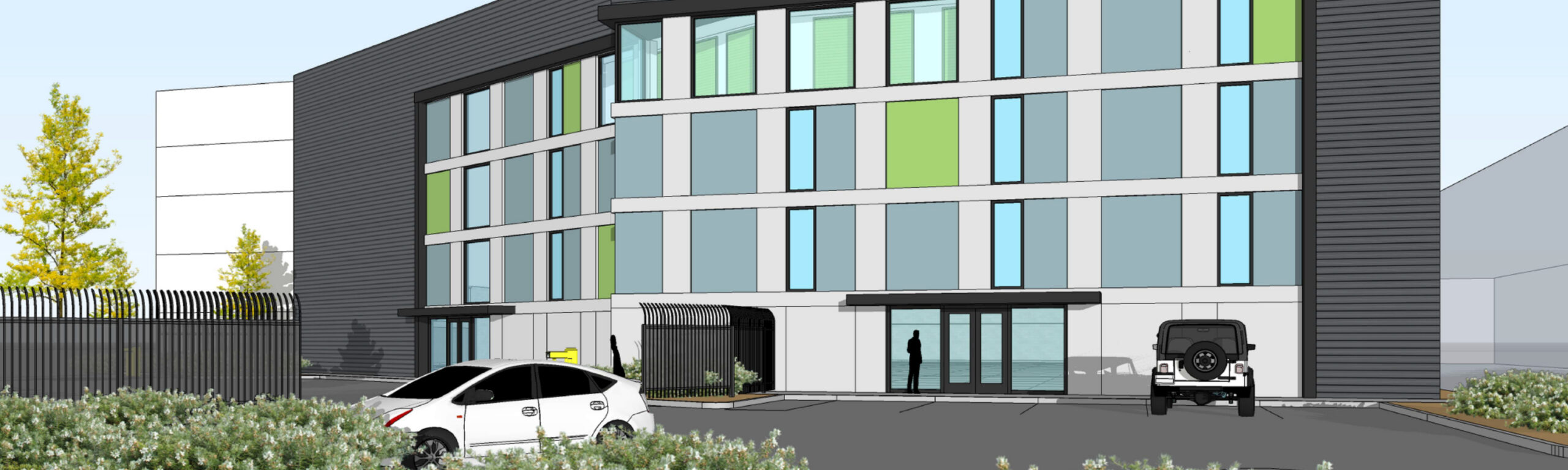
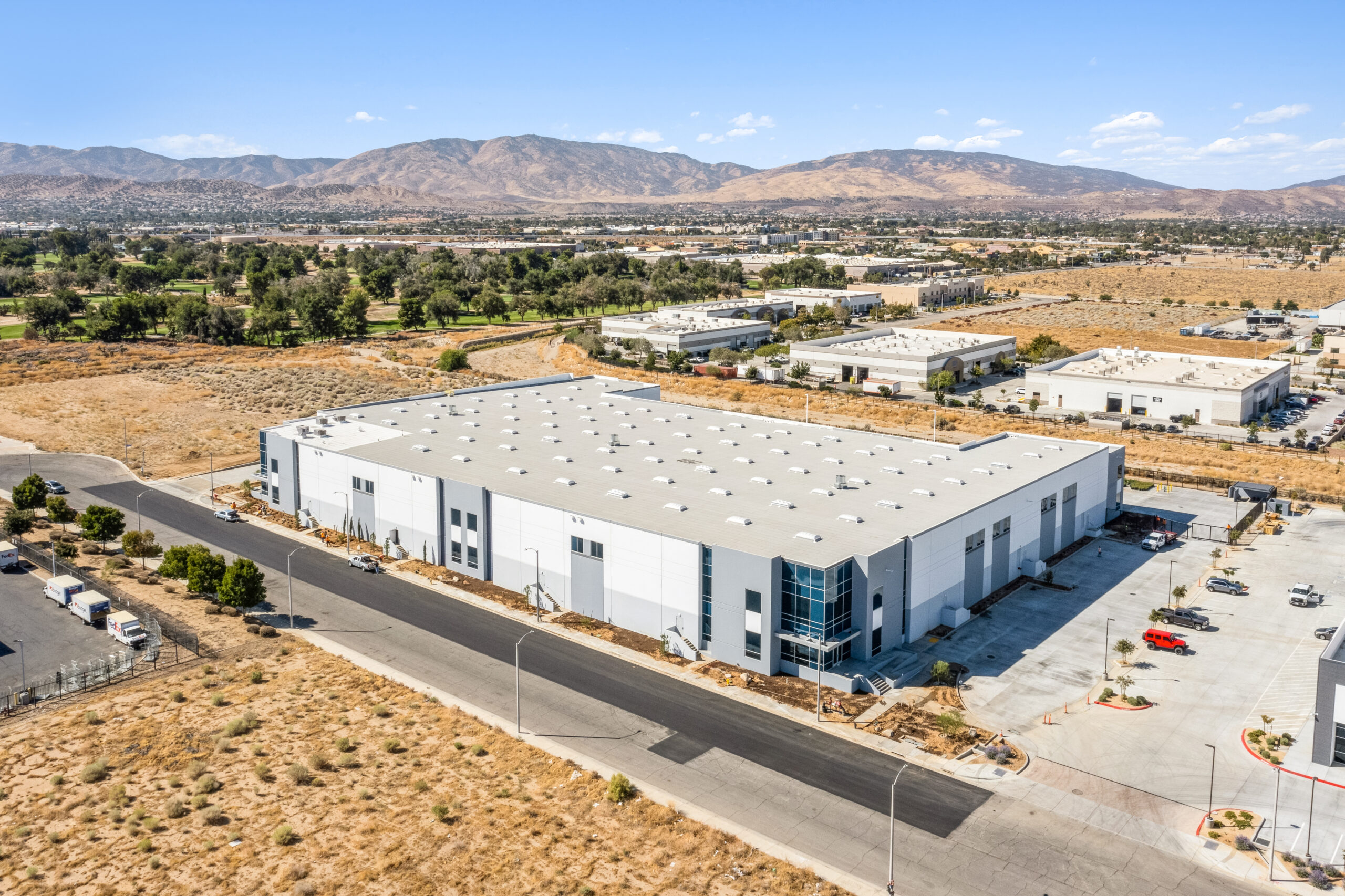
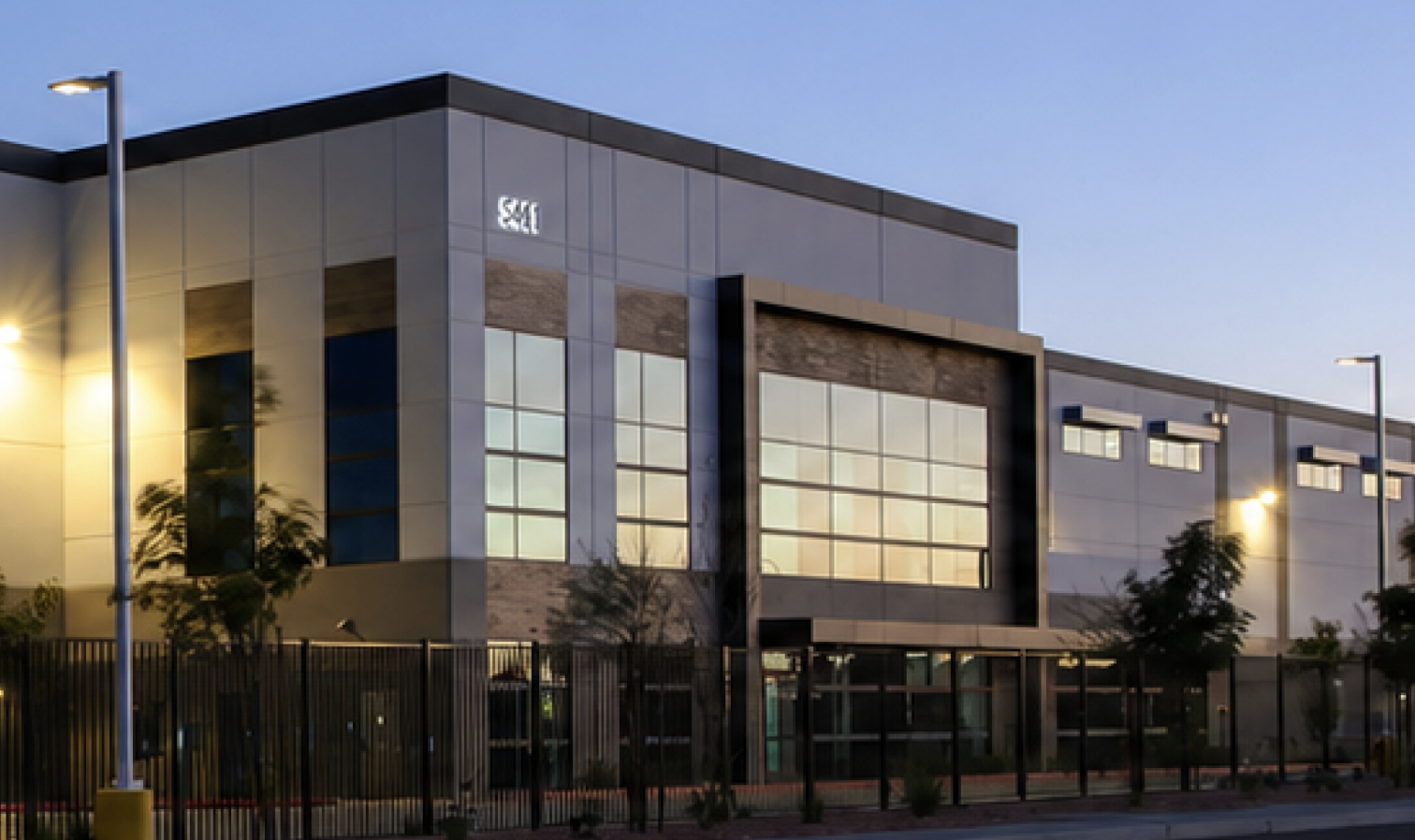
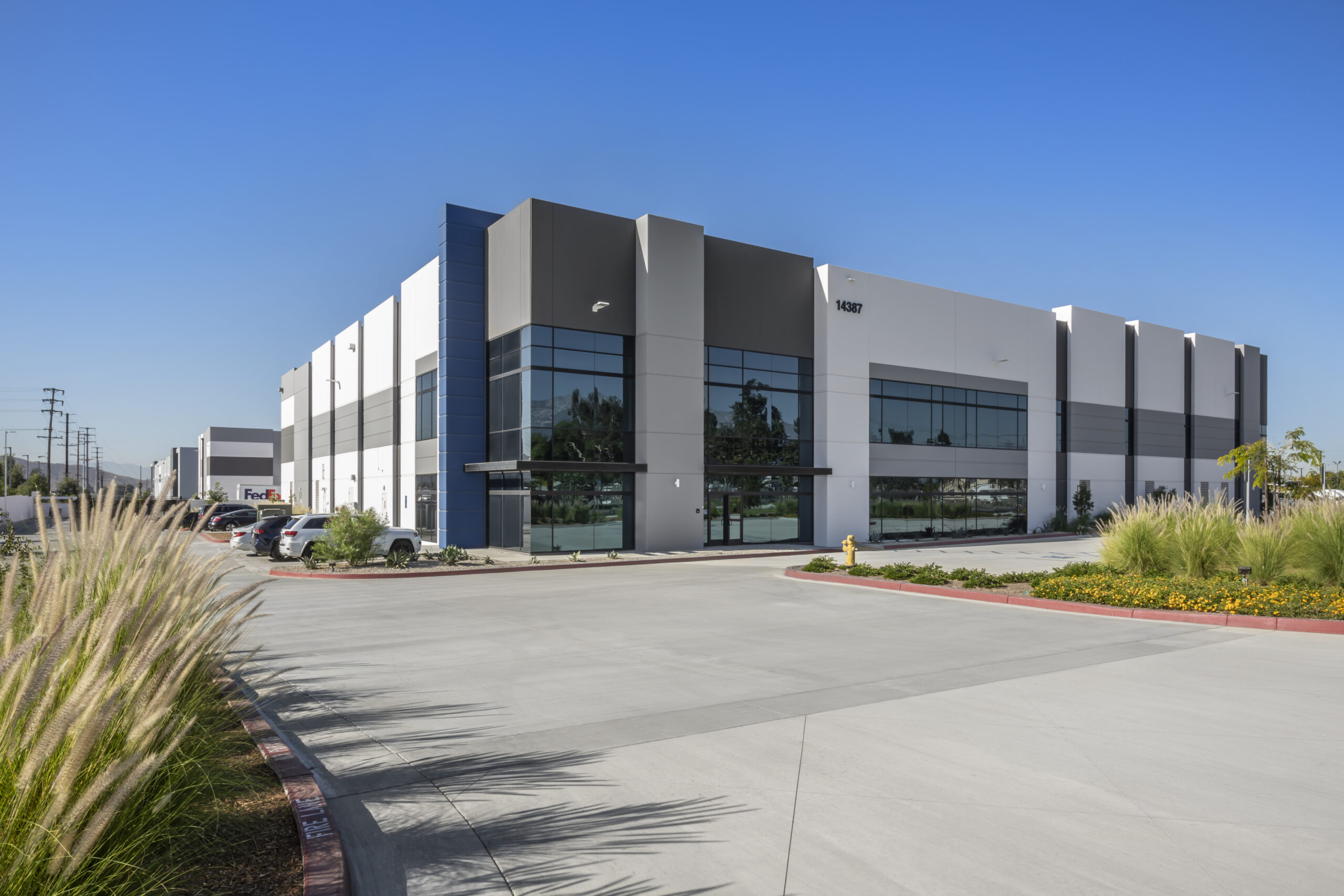
Featured Case Projects





Frequently Asked Questions
Technical Services
What technical services does EPD Solutions provide?
EPD Solutions provides in-house air quality, greenhouse gas (GHG), energy, noise, and health risk assessment services. Our technical specialists support environmental review, project planning, entitlement, and agency decision-making for projects throughout California.
What types of projects does EPD’s Technical Services team work on?
Our team supports residential, commercial, industrial, mixed-use, institutional, infrastructure, and public-sector projects, ranging from individual development sites to large-scale specific plans and community planning efforts.
Does EPD prepare technical studies in-house?
Yes. EPD’s air quality, GHG, energy, noise, and health risk analyses are prepared by our in-house technical specialists, allowing for direct coordination with our environmental planning, entitlement, and transportation teams.
When should technical studies begin during the development process?
Technical analysis can be especially valuable early in project planning. Identifying potential air quality, noise, GHG, or health risk issues early can provide more opportunity to evaluate design alternatives, refine project assumptions, and address potential constraints before environmental review is well underway.
How do technical studies support CEQA review?
Technical studies provide the supporting analysis used to evaluate potential environmental impacts under CEQA. Findings may support Initial Studies, Mitigated Negative Declarations, Environmental Impact Reports, Addenda, and other environmental documentation.
Air Quality
When does a development project need an air quality study?
An air quality study may be needed when construction or operation of a project could generate emissions requiring evaluation under CEQA, applicable air district guidance, or local agency requirements. The appropriate level of analysis depends on the project’s location, size, land use, construction activities, and operational characteristics.
What does an air quality analysis evaluate?
Air quality analyses can evaluate construction and operational emissions, regional and localized air quality impacts, criteria pollutants, sensitive receptors, and potential mitigation measures based on the project and applicable regulatory requirements.
What is air quality emissions modeling?
Emissions modeling estimates pollutants that may be generated during project construction and operation. Modeling results can be compared with applicable thresholds and used to determine whether additional analysis or mitigation may be warranted.
What is a localized air quality analysis?
A localized analysis evaluates whether emissions generated near a project site could affect nearby sensitive receptors or surrounding land uses. The need and methodology for this analysis depend on the project and applicable air district guidance.
Noise
When is a noise study required for a development project?
Noise analysis may be required when a project could generate construction, traffic, mechanical, industrial, or other operational noise or when a proposed sensitive land use would be exposed to an existing noise environment.
What does a noise study include?
Depending on the project, a noise study may include ambient noise measurements, construction noise analysis, traffic noise modeling, stationary-source analysis, vibration analysis, land-use compatibility evaluation, and recommendations for reducing potential impacts.
Does EPD conduct on-site noise measurements?
Yes. Our technical specialists conduct field noise measurements to document existing ambient conditions and provide data that can be used in project-specific noise and environmental analyses.
Can a noise study recommend mitigation measures?
Yes. When potential noise impacts are identified, the analysis can evaluate practical measures to reduce those impacts. Recommendations may relate to project design, construction practices, equipment, barriers, setbacks, or operational conditions depending on the source of the noise.
Greenhouse Gas & Energy
What does a greenhouse gas analysis evaluate?
A GHG analysis evaluates greenhouse gas emissions associated with project construction and operation and considers applicable state, regional, and local plans, policies, thresholds, and guidance.
What types of greenhouse gas emissions are evaluated for development projects?
Depending on the project, an analysis may consider emissions associated with construction equipment, vehicle trips, building energy use, water consumption, waste generation, and other operational activities.
Does EPD also prepare energy analyses?
Yes. EPD prepares energy analyses evaluating project-related energy demand and consumption, including energy associated with construction, transportation, and building operations, as appropriate to the project and environmental review.
Can GHG and energy analyses help inform project design?
Yes. Technical findings can help project teams understand how design, operations, transportation, energy use, and other project characteristics affect emissions and energy demand, allowing potential strategies to be considered during project development.
Health Risk Assessment
What is a health risk assessment?
A health risk assessment, or HRA, evaluates potential health risks associated with exposure to toxic air contaminants. For development projects, an HRA may evaluate emissions associated with construction equipment, trucks, stationary sources, or other project activities.
When might a project need a health risk assessment?
An HRA may be appropriate when a project generates toxic air contaminants near sensitive receptors or places sensitive receptors near existing emission sources. The need for an HRA depends on the project’s characteristics, location, surrounding land uses, and applicable regulatory guidance.
How does EPD help when a technical analysis identifies a potential issue?
Our technical specialists work with the broader project team to understand how a finding may affect environmental review, project design, and approvals. When appropriate, we evaluate practical recommendations or mitigation strategies designed to address the technical issue while considering the needs of the overall project.